It is tough to imagine that you can fully protect your home from external conditions, right? You cannot control heavy rains, harsh sunlight, storms, humidity, or dust in the air. What you can control is how well your home is protected against them. The key lies in using the right house waterproofing solutions that form a durable protective layer. This layer is almost like a shield over your walls and exposed surfaces.
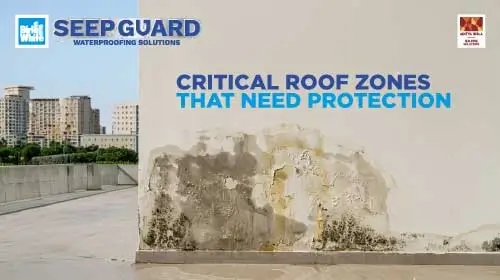
Without proper protection, constant weather exposure can lead to paint peeling, cracks, damp patches and seepage on wall surfaces. Over time, this does not just affect appearance; it weakens the structure.
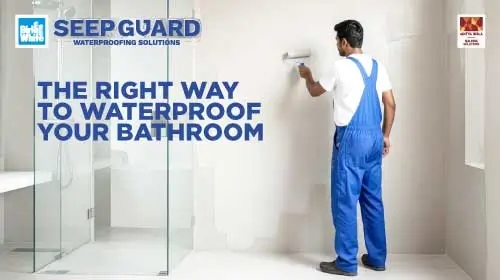
Yes, waterproofing can be done inside the house, especially in moisture-prone areas like bathrooms, kitchens and basements. Internal waterproofing helps control dampness and prevents water from spreading to adjoining walls. However, for complete protection, exterior surfaces must also be treated. Water usually enters from outside first, especially during monsoons, so addressing both internal and external areas is part of effective building waterproofing.
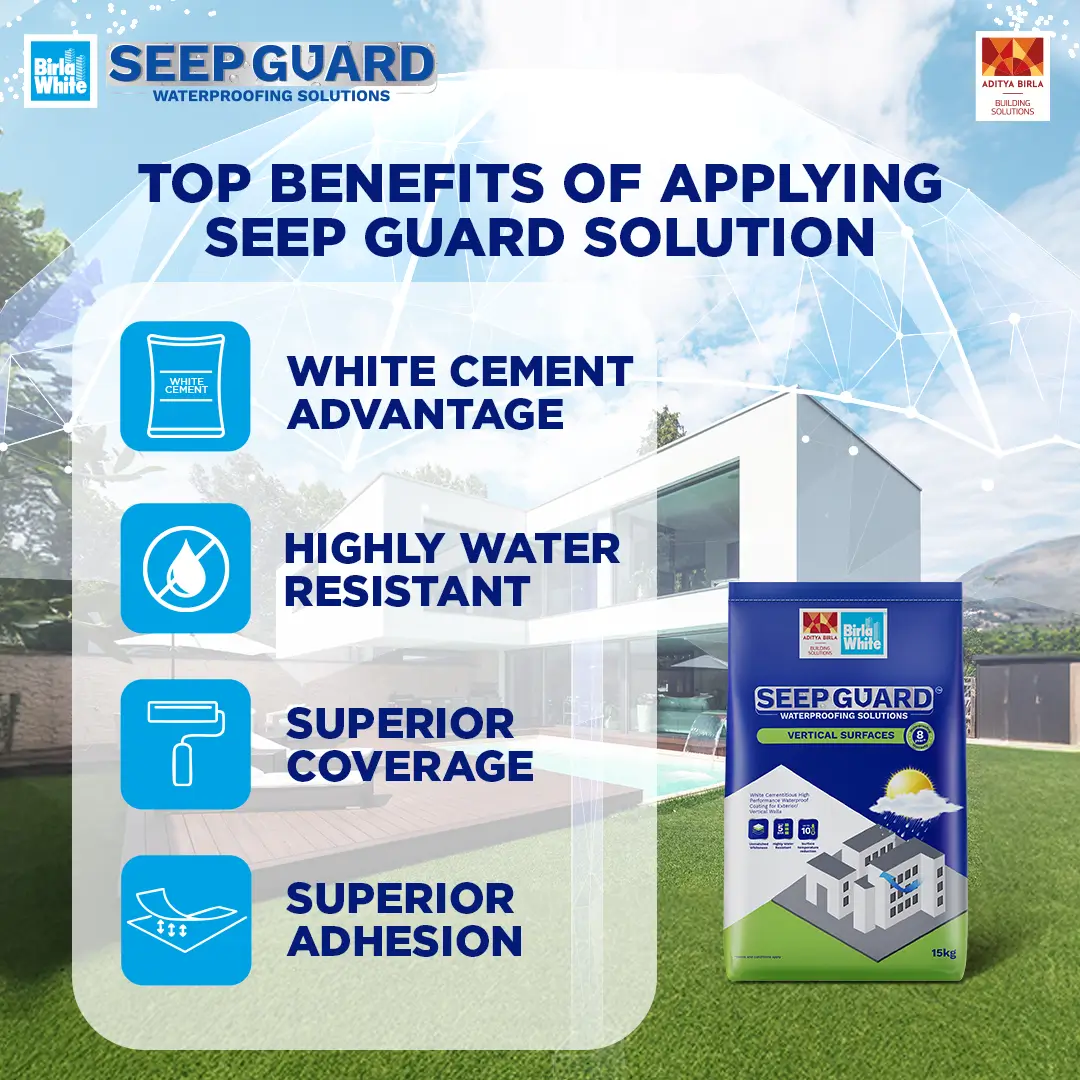
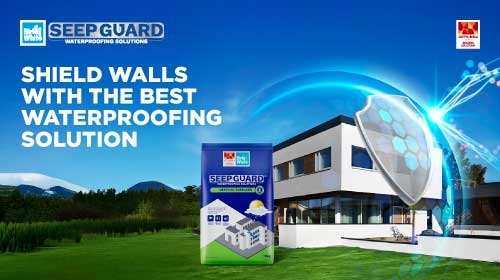
White cement-based, polymer-modified waterproof coatings are considered best for exterior walls. One such solution is Birla White Seep Guard Vertical Surfaces. It is a white cement-based, elastomeric waterproof coating designed specifically for vertical exterior walls. It creates a protective barrier that resists water penetration while offering durability under harsh weather conditions. Its white cement technology helps form a dense layer that adheres strongly to the surface. This feature makes it suitable for long-term exterior protection.
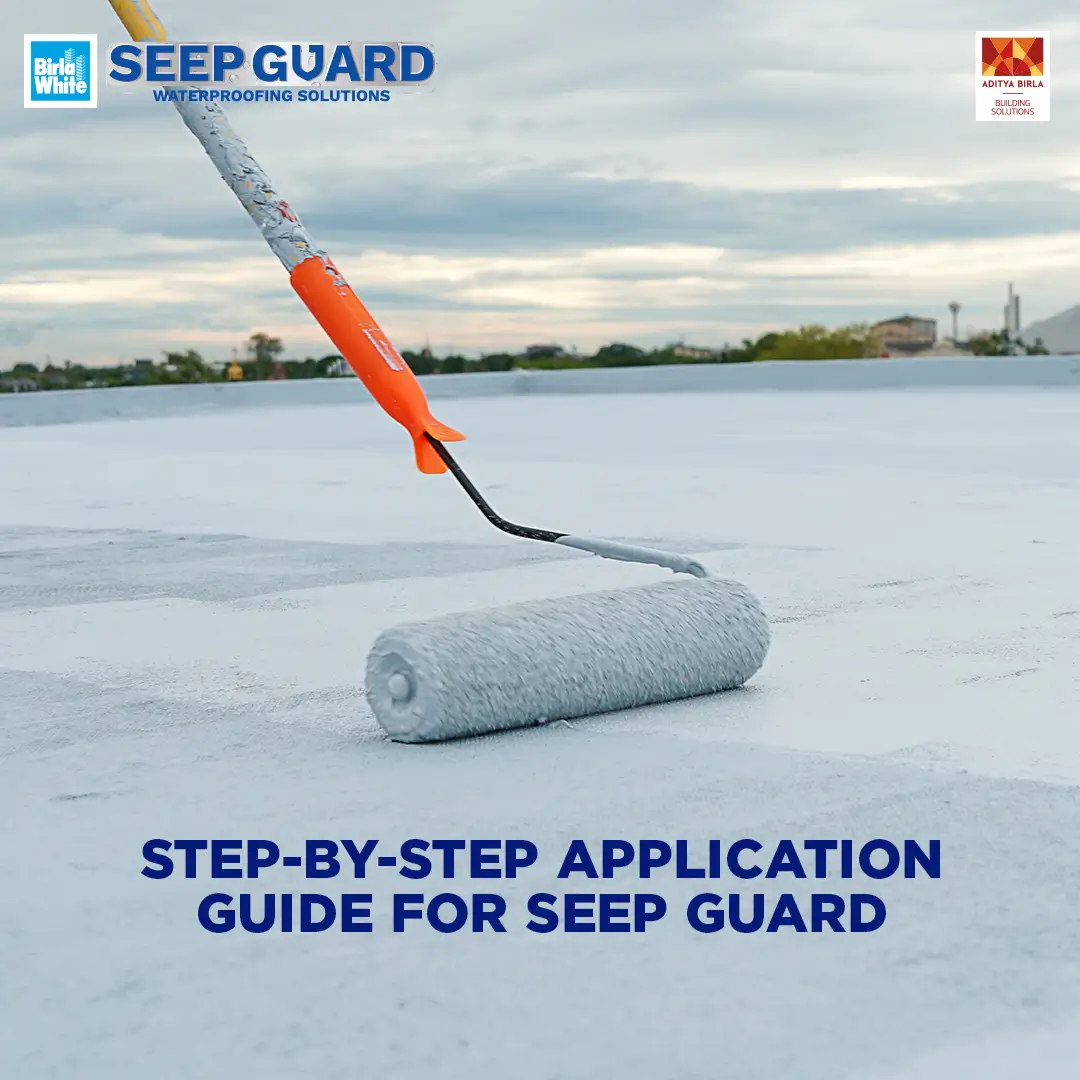
Proper waterproofing requires surface preparation, priming, uniform application and topcoat application. Let’s check out the complete application procedure of Seep Guard Vertical Surfaces.
1. Surface Preparation
Clean the surface thoroughly by removing dust, dirt, oil, loose paint and efflorescence. Wash with clean water and allow it to dry completely. Repair cracks (up to 3 mm) with Crack End and larger damaged areas with suitable polymer-modified mortar before application.
2. Priming
Prepare a priming slurry by mixing the product with clean water as recommended. Apply one uniform priming coat using a brush or roller on a clean and dry surface.
3. Product Application (1st and 2nd Coat)
Mix the product with 60–65% clean water using a mechanical stirrer to form a smooth slurry. Apply two coats in a crosswise direction and maintain 4–6 hours between coats for proper adhesion. Allow the surface to dry completely before applying any topcoat.
4. Topcoat Application
After drying, apply one coat of exterior primer followed by exterior emulsion paint for enhanced waterproofing and protection.
The best time to do waterproofing is before the monsoon season, during dry weather conditions. Applying waterproofing before heavy rains ensures the coating cures properly and performs effectively when exposed to water. Many homeowners wait until damp patches appear but preventive house waterproofing is far more cost-effective than repairs later.
When evaluating waterproofing price, it is important to think long-term. Investing in quality exterior protection reduces repeated repair costs, repainting expenses and structural damage over time.
You may not be able to stop the rain or control the heat, but you can shield your home from their effects. Choosing the right exterior waterproofing system, especially one designed for vertical surfaces like Seep Guard Vertical Surfaces from Birla White. This product helps create a durable barrier against water and weather. For more information, visit www.birlawhite.com.
Fill out this form to talk to our experts.
Our team typically replies in 24 hours.