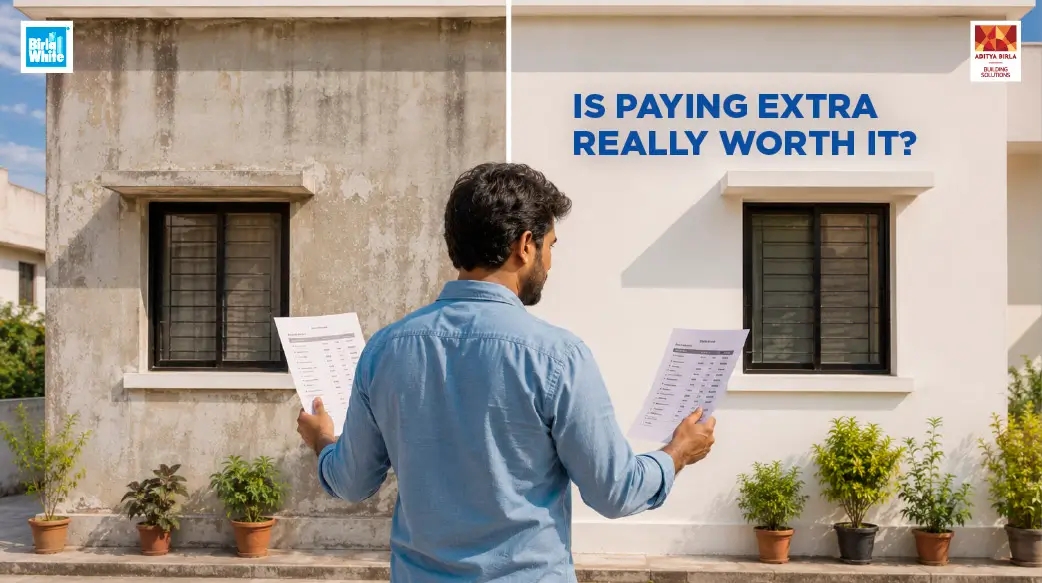
The secret to a flawless paint finish is not just in the colour or brand of paint. It is in how you prepare your walls. One of the most common questions homeowners ask is: Which comes first, putty or primer? The right answer is primer first, then putty, and primer again. These 3 steps can make all the difference.
In this guide, we will walk you through each step, explain why primer matters, and show you how to use it correctly to get vibrant and long-lasting walls. Whether it is for interior wall primer or exterior wall primer, following these steps ensures your walls look perfect every time.
If you are wondering: What does primer do for painting? The answer is that the primer acts as a base coat that improves adhesion between the wall and paint. It covers minor surface imperfections, enhances paint coverage, and ensures the colour looks uniform and bright. Birla White ActivCoat Primer is a white cement-based primer that offers better opacity and whiteness than regular acrylic primers. This means your primer paint layer ensures the true tone of your topcoat comes through beautifully.
A clean and smooth surface is the foundation of good painting.
This step ensures the primer on wall adheres properly, whether for primer outdoor or indoor use.
Before applying putty, the first coat of primer ensures better bonding.
Using a primer for painting before putty improves the surface grip and stops excessive absorption of moisture from putty. This gives it a better finish.
Once the primer dries, it is time to smoothen the surface.
This step ensures your walls are even and ready to reflect the colour vibrantly.
After putty, a second primer layer acts as a sealant and prepares the wall for painting.
This is a crucial step before applying the topcoat. A primer with paint ensures longer life, better finish, and enhanced waterproofing performance.
Which comes first, putty or primer?
Primer comes first, followed by putty, then another coat of primer.
Can I paint directly without primer (interior application)?
It is not recommended. Skipping primer can cause uneven absorption, patchy colour, and reduced paint durability.
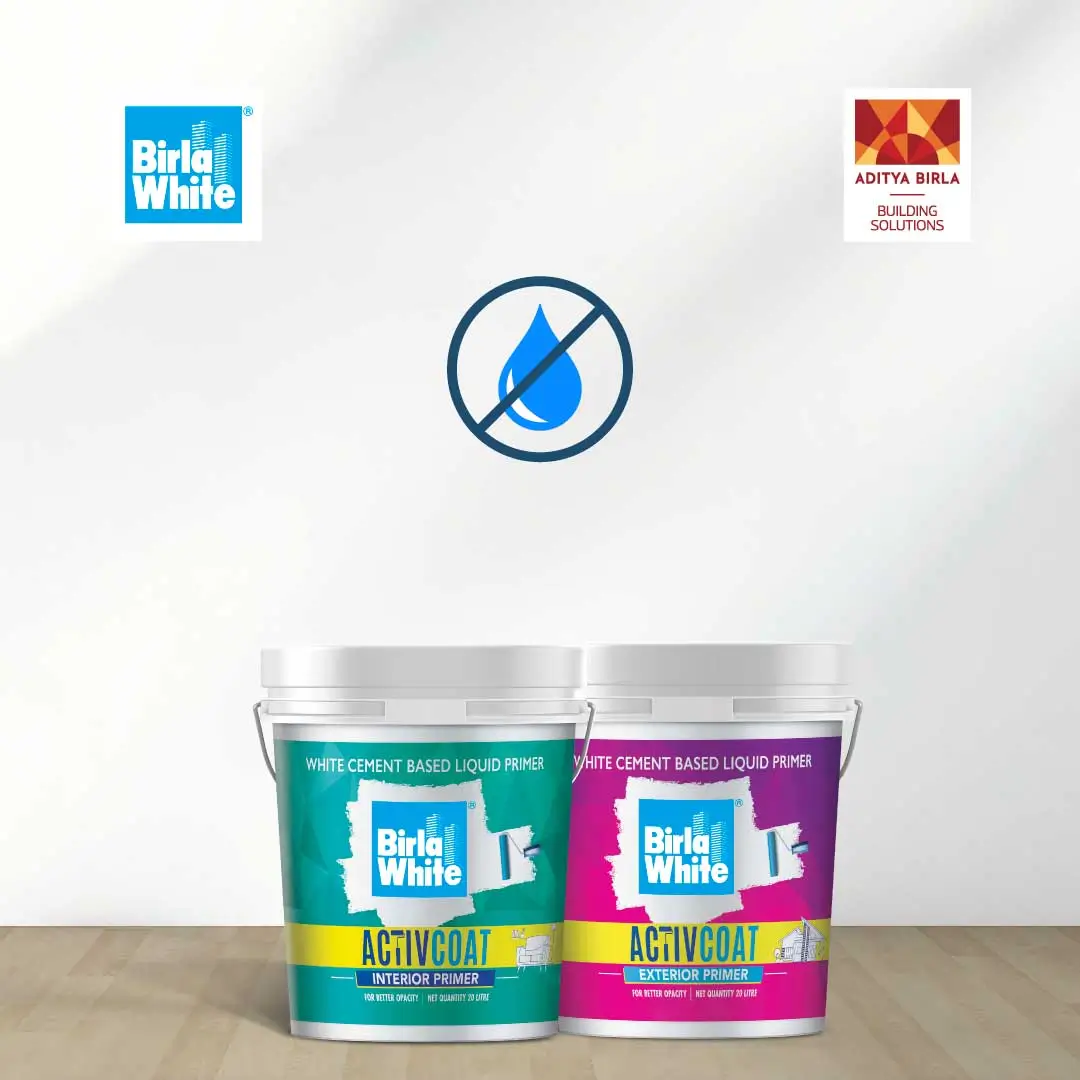
A good quality primer acts as a protective base layer, helping resist moisture seepage and increasing the lifespan of the paint.
Do’s:
Don’ts:
Don’t use stainers or other colourants with primer.
Also Read: Interior vs. Exterior Primers: Understanding the Key Differences
Fill out this form to talk to our experts.
Our team typically replies in 24 hours.