Selection of a wall finish plays a crucial role in creating a cosy and beautiful home. Distemper paint is considered ideal for interior walls as it is very budget-friendly. Furthermore, it is a suitable option for bedrooms, living rooms and rented houses.
Therefore, you should be aware of the best type of distemper that aligns with your needs, its benefits and the application process.
Distemper paint is a popular wall-finishing material used to paint interior walls. It is less expensive compared to most emulsion paints. Further, it comes in different types, and it is advisable to understand each type and its features before buying the paint.
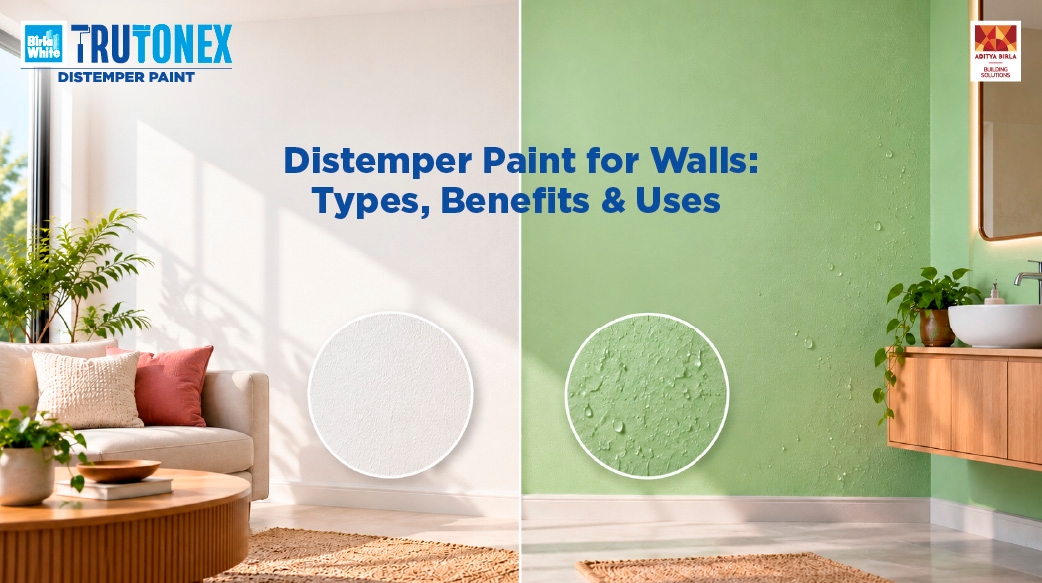
There are three commonly discussed types of distemper paint: dry distemper, acrylic distemper and white distemper. Each type has distinct features, including adhesion, washability and application requirements.
Dry distemper is a traditional and affordable type of distemper paint. It is a mixture of pigment and binder that is diluted with water as per the manufacturer's instructions.
Acrylic distemper is made using an acrylic-based binder. It is a popular option for interior painting because it generally offers better adhesion, finish and washability than dry distemper.
However, it is crucial to read the product label instructions to ensure that you use the right applicator, surface preparation method and cleaning solutions.
White distemper paint is available in different formulations. White cement-based distemper uses white cement as a key base material, helping improve adhesion and provide a suitable base for wall finishing.
It is available in various shades, including off-white, super white, pastel green, electric blue, merrie pink and daffodil yellow.
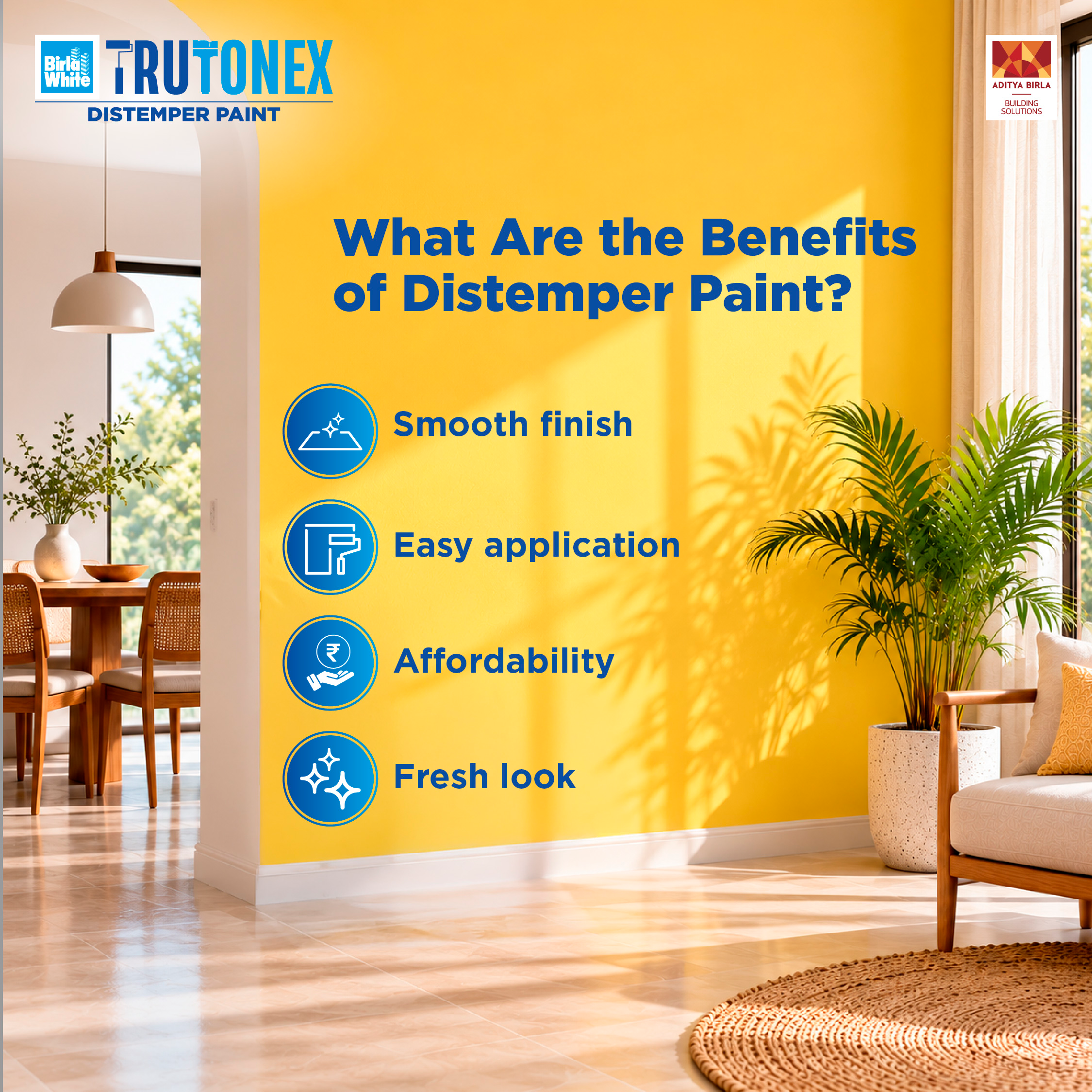
Distemper paint is a popular choice for interior wall finishing for the following reasons:
Proper distemper application techniques can help you achieve a desirable paint finish. The steps below explain how to apply distemper paint on your walls:
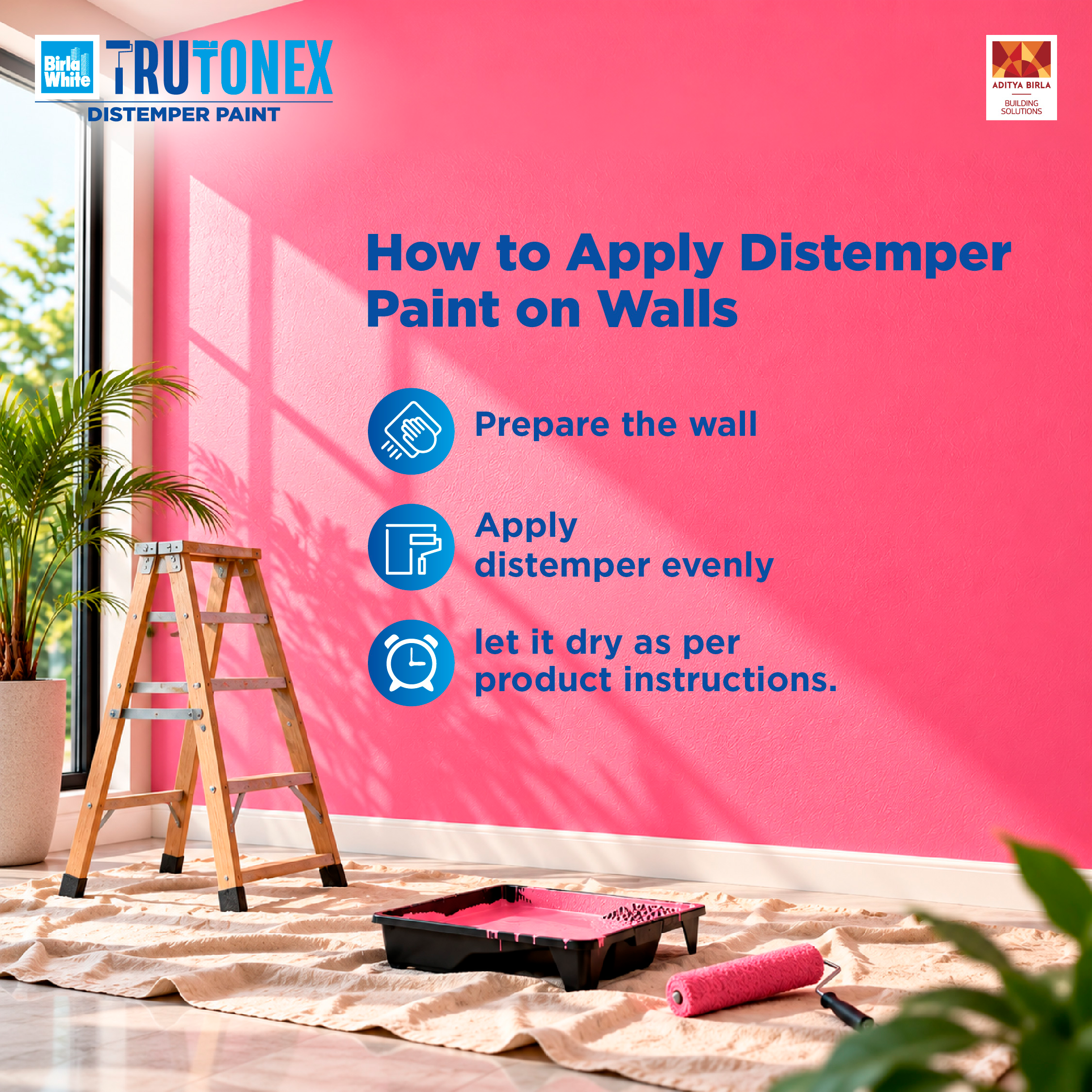
Make sure the site is ready by removing unwanted items, dust and dirt. Clean the walls thoroughly, fill any cracks or minor surface imperfections and allow the surface to dry completely.
Apply suitable wall putty, if required, as per the manufacturer's instructions. Allow the putty to dry completely and sand the surface to achieve a smooth and even finish.
Apply a suitable primer to the walls as recommended by the manufacturer. Allow the primer to dry before proceeding with the distemper application.
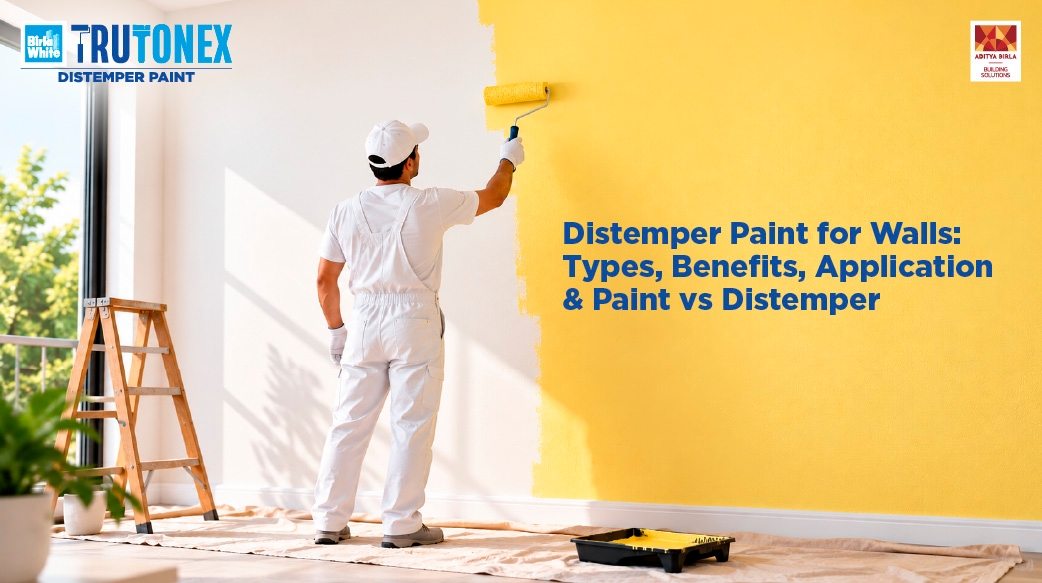
Dilute the distemper paint according to the manufacturer's instructions. Apply it evenly to the walls using a suitable brush or roller. Allow the first coat to dry before applying additional coats, if recommended.
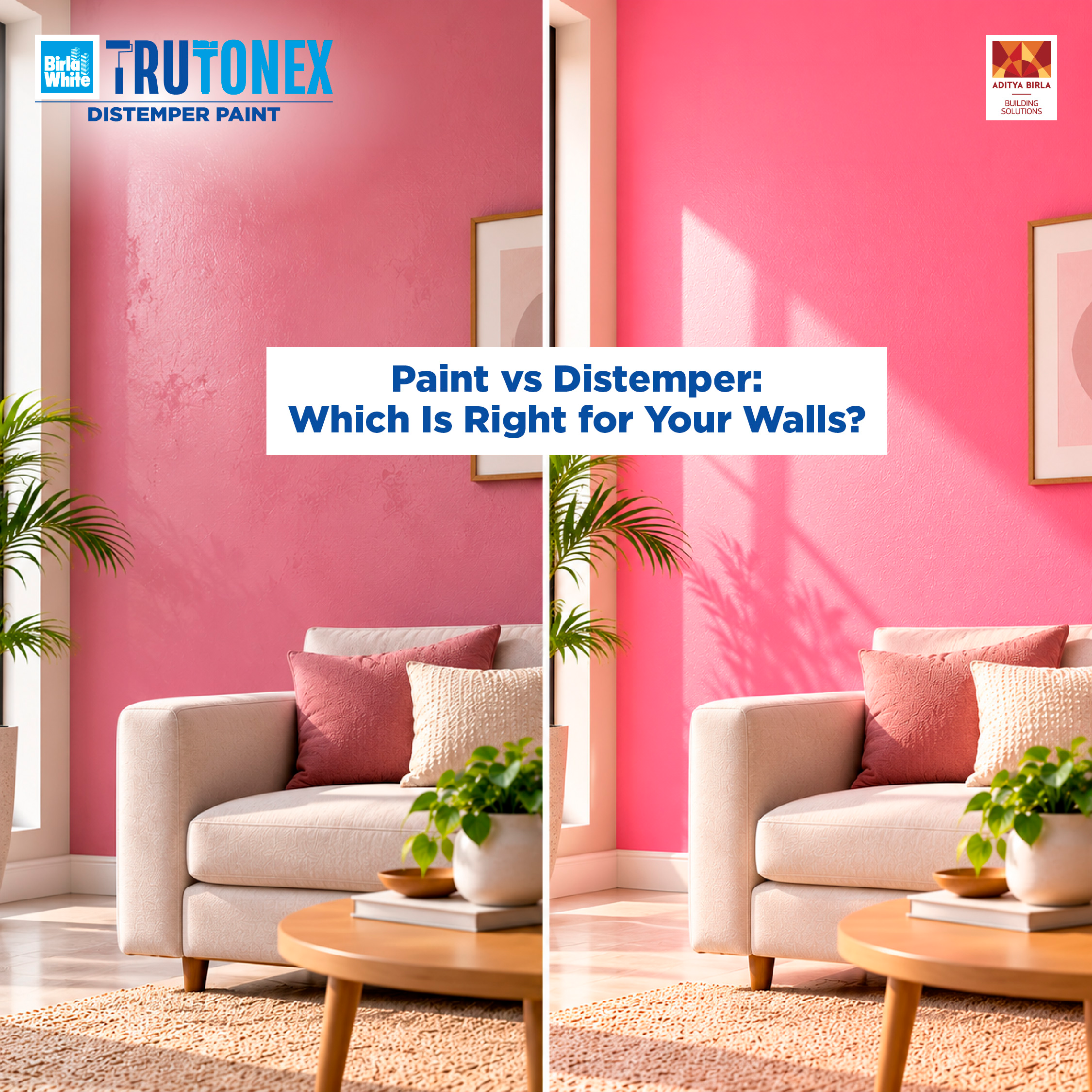
The main difference between paint and distemper is that distemper is a type of paint. However, distemper is generally cheaper than most emulsion paints. Both options differ in terms of cost, finish, durability and washability.
| Comparison Factor | Distemper Paint | Emulsion Paint |
|---|---|---|
| Cost | Generally more economical. | Comparatively more expensive. |
| Finish | Offers a simple and elegant finish. | Available in different finishes and textures. |
| Washability | Washability varies by formulation and is generally lower in traditional variants. | Generally offers better washability. |
| Durability | Generally has lower durability compared to emulsion paint. | Generally lasts longer with proper surface preparation and maintenance. |
| Applicator | Requires a suitable brush or roller based on the product. | Requires a suitable brush or roller based on the product. |
| Best Use | Suitable for budget-friendly interior painting projects. | Suitable for projects requiring specific finishes and higher washability. |
The right wall-finishing material can help you achieve the desired results. If you are considering distemper for your interior painting project, explore Birla White TRUTONEx Distemper Paint. Understand its application requirements, finish and washability before use.
To achieve the best painting results, it is crucial to combine suitable application tools, quality materials and proper surface preparation. Choose the right wall-finishing materials to meet your project's requirements.
Explore other Birla White wall-finishing materials to plan your painting project.
Distemper paint is mostly used for painting interior walls in homes, including bedrooms, living rooms and rented houses. It is a budget-friendly option for basic interior wall finishing.
The commonly available types include dry distemper and acrylic distemper. White distemper is also available in different formulations and shades.
Distemper is a type of paint that is generally more affordable than emulsion paints. The main differences include cost, finish, durability and washability. Emulsion paints generally offer better durability and washability, while distemper is a suitable option for budget-conscious interior painting projects.
Fill out this form to talk to our experts.
Our team typically replies in 24 hours.