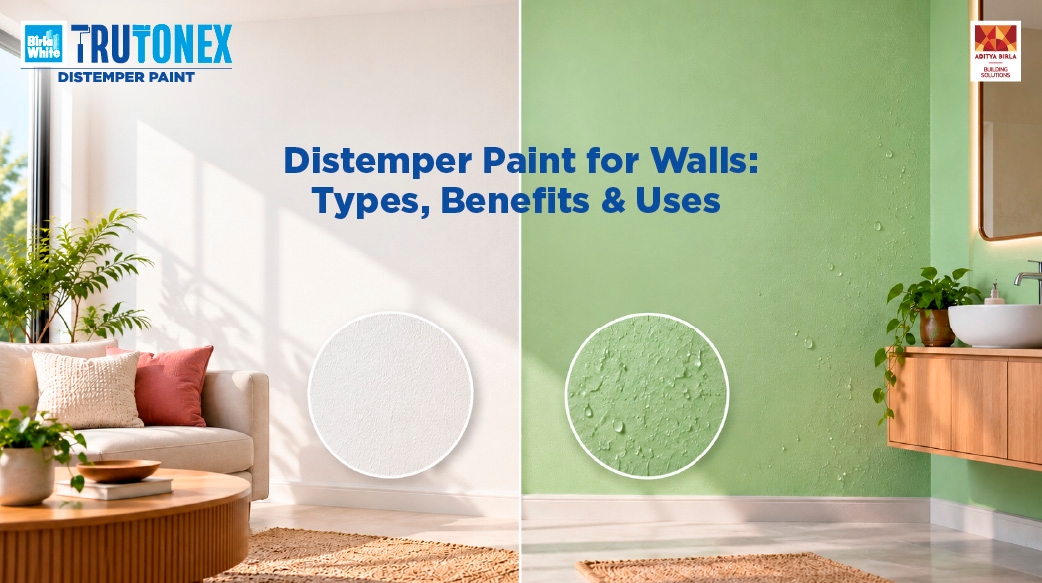
Choosing the right distemper paint is necessary for your walls; it also allows you to focus on your budget and expectations regarding the finished appearance, washability, and durability of the coating. From traditional dry distemper paint to modern waterproof distemper options, every type of distemper paint has its advantages and disadvantages.
However, if you need a clean and bright finish, white distemper paint is often used for interior decorating. Furthermore, when it comes to moisture resistance, it is important to understand the difference between "waterproof" and a purpose-designed waterproofing solution.
What Is Distemper Paint?
Distemper paint is well known as a water-based decorative paint used for interior walls and ceilings. It is easy to apply and offers an economical wall-finishing solution with a good appearance.
The types of distemper paints include white distemper and waterproof distemper. While the former is traditionally used for its affordability, the latter may offer additional benefits in terms of finish and performance, depending on the formulation.
Henceforth, while selecting the best distemper option for your walls, you should consider the characteristics of the surface, the desired appearance, and the level of durability and washability.
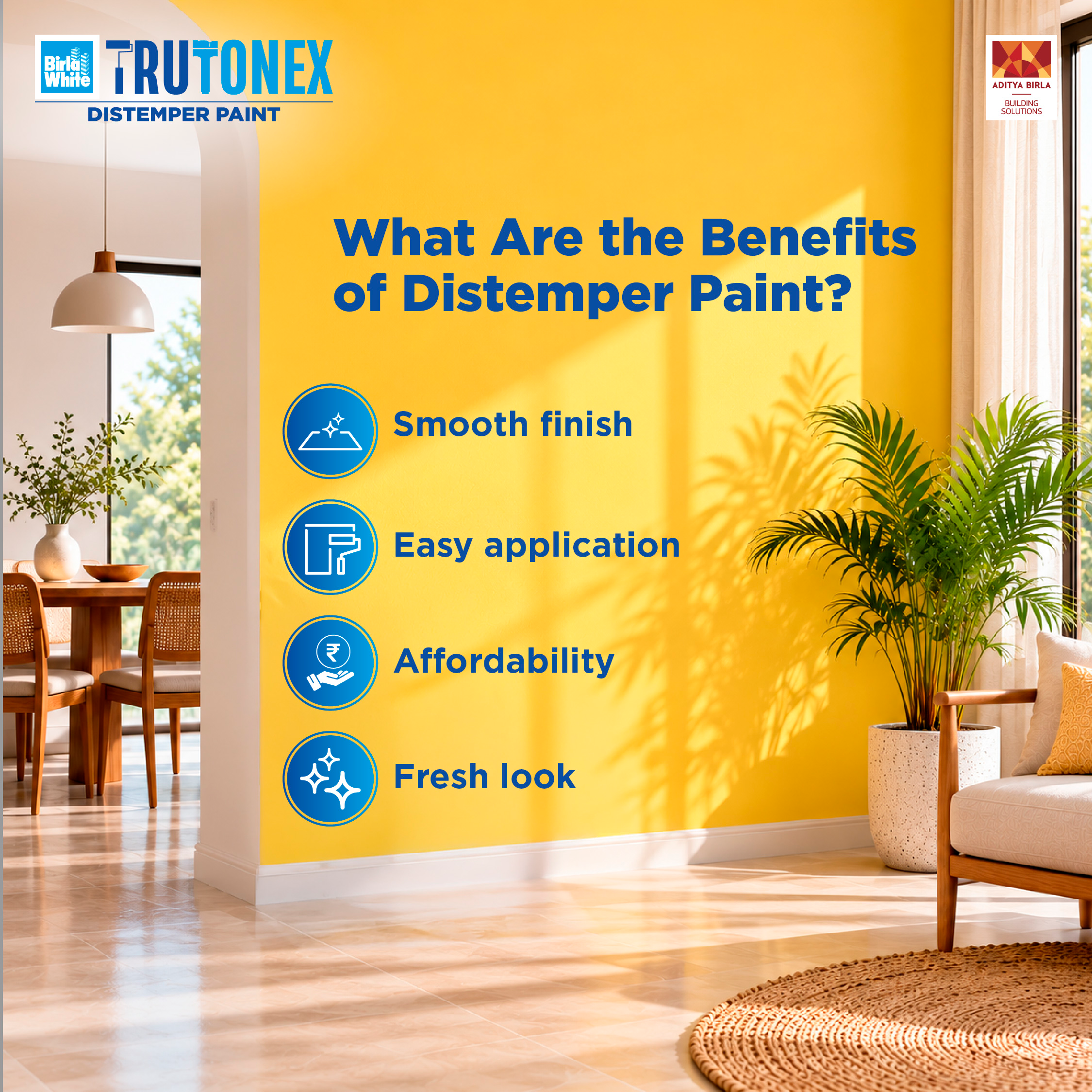
Which Type of Distemper Paint Is Best?
The different types of distemper are listed below.
1. White Distemper Paint: A Simple, Bright Wall Finish
White distemper paint is a viable option if you want to achieve a simple yet bright interior. Painting the walls and ceilings white creates an open and airy atmosphere and sets the stage for the rest of the interior decorations.
The advantages of white distemper paint are shared below:
- Provides a simple and bright interior.
- Applicable in most interior rooms.
- An economical solution, depending on the formulation.
- Acts as a neutral background for furniture and other objects.
Where Can You Apply White Distemper Paint?
White distemper is commonly used on interior walls and ceilings. It is advisable to prepare the surface in accordance with the manufacturer's recommendations.
Furthermore, if you are seeking a durable solution, it is better to compare the washability and maintenance requirements of the selected product.
2. Waterproof Distemper Paint: Is It Suitable for Damp Walls?
Waterproof distemper paint refers to distemper products that offer some level of moisture resistance. Additionally, not all distemper products are considered equal in terms of water resistance.
If your walls have damp patches, blistering, peeling paint, or white salt deposits, investigate the source of the problem before repainting.
How to Address Moisture-Related Wall Problems?
- Identify the source: Look for plumbing leaks, penetrating rainwater, terrace seepage, or rising damp in the external walls.
- Address the source of the problem: Install an appropriate waterproofing system in accordance with the location and source of the leakage.
- Prepare the surface: Allow it to dry and remove any loose material.
- Select an appropriate paint system: Prime and paint in accordance with the manufacturer's recommendations.
When it comes to moisture resistance, consider using a dedicated waterproofing product instead of relying on ordinary distemper as a sealing solution.
Explore Birla White waterproofing solutions to identify the problems that may be affecting your walls and the solutions that may be available in your region.
How to Choose the Right Distemper Paint for Your Home
Consider the following five factors when selecting distemper paint for your home.
1. Your Budget
Dry distemper may be a viable option if you are looking to minimise the expenditure on your painting project. Compare the amount of paint required for a given surface area.
2. The Desired Finish
Select a product in accordance with your expectations for the final appearance.
3. The Use of the Room
Choose a paint with the level of washability and overall performance that corresponds to the expected use.
4. The Condition of the Wall
Prepare the surface in accordance with the manufacturer's recommendations and, where applicable, sand and prime it.
5. The Presence of Moisture
Remember that distemper is not a substitute for an appropriate waterproofing system. If your wall is damp, identify and address the source of the problem.
Why Choose Birla White for Your Wall-Finishing Needs?
When it comes to wall finishing, the choice of paint is only one consideration. Preparing the surface and understanding the intended use of the room are also important. Birla White provides a variety of wall-finishing products for different stages of the process.
Explore Birla White TRUTONEx Distemper Paint to find more information about the available options, their intended uses, and additional features. Review the product specifications to ensure that it is suitable for your walls and the intended appearance.
Before painting, you may also want to consider using Birla White WallCare Putty to achieve a satisfactory surface profile, depending on the substrate and the manufacturer's recommendations.
Frequently Asked Questions - Types of Distemper Paint
1. Which Type of Distemper Paint Is Best for Walls?
White distemper is commonly used on interior walls and ceilings. It is advisable to prepare the surface in accordance with the manufacturer's recommendations. Waterproof distemper paint refers to products with some level of moisture resistance. The best option depends on the wall condition, desired finish, and product specifications.
2. What Is White Distemper Paint Used For?
White distemper paint is used to achieve a clean and bright finish on suitable interior walls and ceilings.
3. Is Oil-Bound Distemper Paint Washable?
It depends on the formulation and manufacturer. Oil-bound distemper generally performs better than conventional dry distemper, but it should not be considered inherently comparable with highly washable emulsion paint. Always check the product specifications.