Key Takeaways
- White primer is a good choice for many interior walls because it helps create a uniform base before applying decorative paint.
- The right primer colour depends on the final paint shade, wall condition and primer formulation.
- Interior primer paint helps improve the adhesion and appearance of compatible topcoats when applied correctly.
- New walls, repaired patches, puttied surfaces and walls with uneven porosity may benefit from suitable primer.
Introduction
Choosing the right primer is an important step in achieving a smooth and attractive wall finish. While homeowners often focus on paint colours and finishes, the primer underneath helps prepare the surface for the final coat. One common question is: Is white primer good for walls, and does primer colour affect the final paint finish?
White primer is widely used before painting interior walls, particularly when a light or white topcoat is planned. It can help create a more uniform base, improve the appearance of the finished colour and support adhesion when the primer is compatible with the surface and paint.
However, white is not automatically the best primer colour for every wall. The ideal choice depends on the existing surface, the final paint shade and the type of primer being used. This guide explains the uses of white primer, how to choose the right primer colour and what to consider when selecting interior primer paint.
Is White Primer Good for Walls?
Yes, white primer is a good option for many interior walls, especially when the final paint colour is white, cream, pastel or another light shade. It provides a consistent base that can help the topcoat achieve a more uniform appearance.
White primer can be particularly useful when painting over a repaired wall, a puttied surface or a wall with variations in colour or porosity. However, primer cannot correct major surface defects, dampness or loose plaster. These problems should be addressed before painting.
The effectiveness of white primer depends on its formulation, the wall substrate, the condition of the surface and compatibility with the decorative paint.
Benefits of Using White Primer on Interior Walls
1. Creates a More Uniform Base
Walls may contain patches, repaired areas or differences in absorbency. A suitable primer helps prepare the surface so the decorative paint can develop a more consistent appearance.
2. Supports Paint Adhesion
The right primer helps the topcoat adhere to a properly prepared surface. This is particularly important when the wall has been repaired, freshly puttied or has uneven porosity.
3. Helps Light Paint Colours Look Consistent
A white base can be beneficial under white and lighter shades because it reduces the visual influence of darker underlying areas. The result still depends on the topcoat's opacity, the number of coats and the surface condition.
What Is the Best Primer Colour for Walls?
The best primer colour depends mainly on the shade of paint you intend to apply. White primer is a versatile option, but the primer's formulation and compatibility with the paint system are just as important as its colour.
| Final Wall Paint Colour | Suitable Primer Colour | What to Consider |
|---|---|---|
| White or off-white | White | Helps create a consistent base for light shades. |
| Cream or beige | White or a manufacturer-recommended compatible base | Check the topcoat's opacity and coverage. |
| Pastel shades | White is often suitable | Helps reduce the influence of uneven underlying colours. |
| Bright or vivid colours | White or a specified tinted primer | Follow the paint manufacturer's recommendation. |
| Dark colours | A compatible primer recommended for the topcoat | A tinted base may help with coverage in some paint systems. |
Important: These are general guidelines, not universal rules. Always follow the primer and topcoat manufacturer's instructions, especially when using specialised paints or coatings.
What Is White Primer Used For?
White primer has several uses in interior painting, depending on the product formulation and the surface being painted.
1. Priming New Walls
Newly plastered or puttied walls require appropriate preparation before decorative paint is applied. The surface should be sufficiently cured and dry, free from dust and suitable for the selected primer. Use a primer specifically recommended for the substrate and topcoat.
2. Preparing Putty-Applied Surfaces
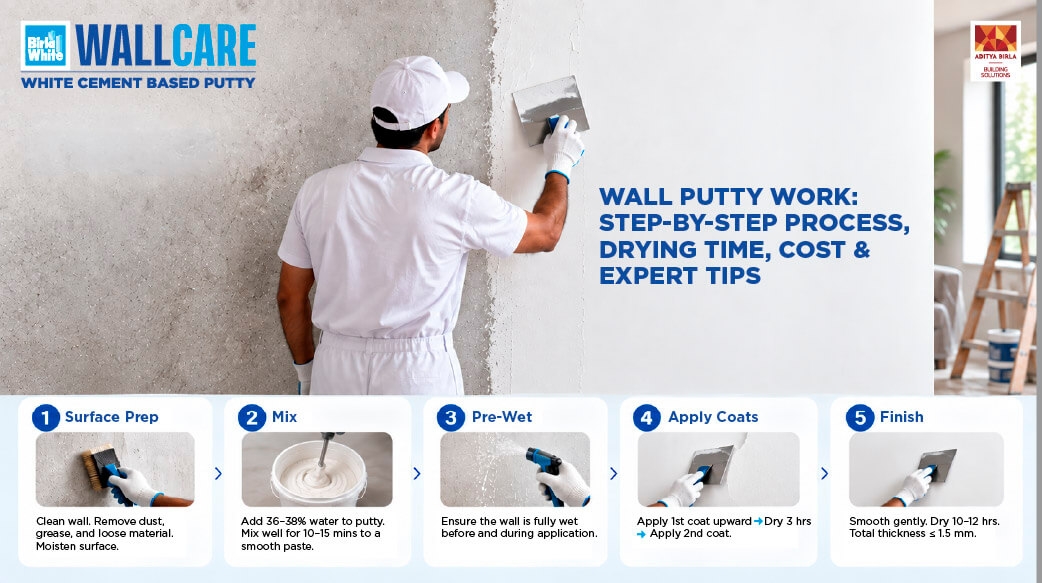
Wall putty helps create a smooth, even surface before painting. Once the putty has dried and been sanded as instructed, a compatible primer may help prepare it for the decorative coating.
3. Painting Over Repaired Areas
Filler and putty patches can absorb paint differently from the surrounding wall. Applying a suitable primer over the prepared areas—or across the wall where necessary—can help reduce visible differences in the final finish.
What Is Interior Primer Paint?
Interior primer paint is a preparatory coating applied to walls and other suitable surfaces before decorative paint. It is designed to help prepare the substrate for the next coating, rather than serve as the final decorative finish.
Why Choose a Suitable White Cement-Based Primer?
For compatible masonry and cement-based wall surfaces, a suitable white cement-based primer may be an option to consider. Such products are designed for specified substrates and coating systems, and their performance depends on the formulation and application conditions.
Birla White offers ActivCoat and PrimaCoat in its white cement-based primer range. If you are planning an interior painting project, review the relevant product specifications to determine which option is appropriate for your wall surface and intended topcoat.
Before making a selection, check the recommended applications, surface preparation requirements, coverage, drying time and compatibility with the decorative paint you plan to use.
Explore Birla White to learn more about its wall-finishing solutions and suitable primer options.
Conclusion
White primer is a practical choice for many interior painting projects, particularly when the final wall colour is white, cream or pastel. It can help create a consistent base, support adhesion and improve the appearance of the decorative finish when used on a properly prepared surface.
However, the best primer colour is only one part of the decision. The wall substrate, existing coating, surface condition and compatibility with the topcoat all matter. By choosing a suitable interior primer paint and following the correct preparation and application steps, you can create a better foundation for your wall-painting project.
Explore Birla White's primer range, including ActivCoat and PrimaCoat, and check the product specifications to select a suitable option for your walls.
Frequently Asked Questions
1. Is white primer good for interior walls?
Yes. White primer is suitable for many interior wall painting systems, particularly beneath white and light-coloured paints. Choose a formulation compatible with the wall surface and decorative topcoat.
2. What is the best primer colour for walls?
White is often a suitable choice for white, cream and pastel wall paints. For deeper or vivid shades, a compatible tinted primer may be recommended. Always follow the paint manufacturer's guidance.
3. Can white primer be used before any wall paint?
Not necessarily. The primer must be compatible with both the wall substrate and the final paint. Check the product specifications before combining different coating systems.