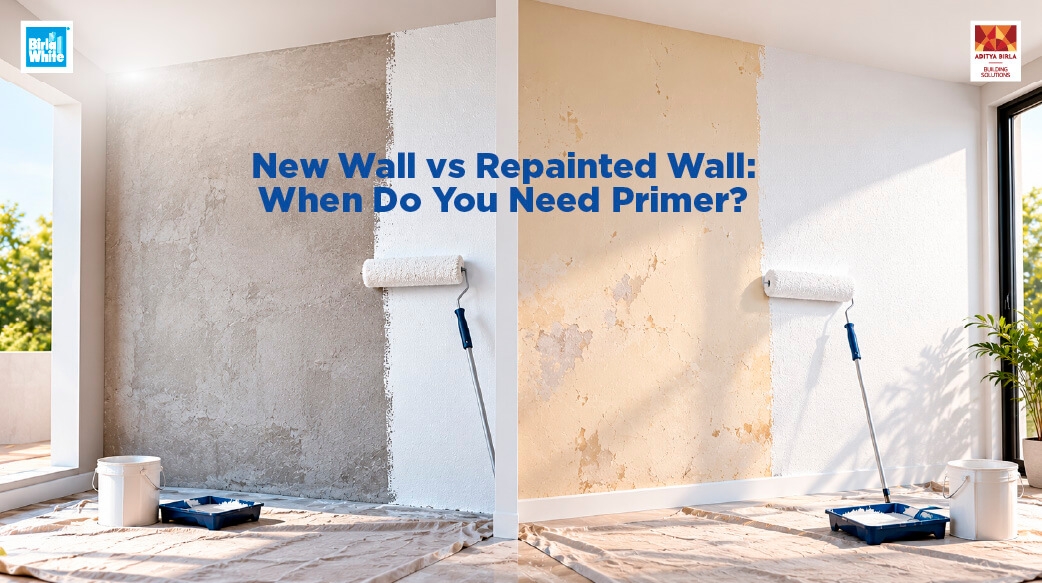
Yes, primer is usually required on new walls because plaster and putty are porous and absorb paint unevenly. For repainted walls, primer is necessary if there are repairs, stains, exposed patches, or a major colour change.
Painting the walls is one of the easiest ways to update and enhance the overall appearance of your home and living space. However, there is a crucial question that needs to be asked before grabbing a brush and roller: Do you need primer before painting? The answer depends on whether you are painting a new wall or a repainted one.
In general, the best primer for painted walls is applied to enhance the adhesion of the subsequent topcoat, ensure uniformity, and achieve an excellent finish. In addition, applying a primer coat can improve paint durability and prolong its life. Let’s understand the difference between painting new and repainted walls and whether you need a primer coat before applying the topcoat.
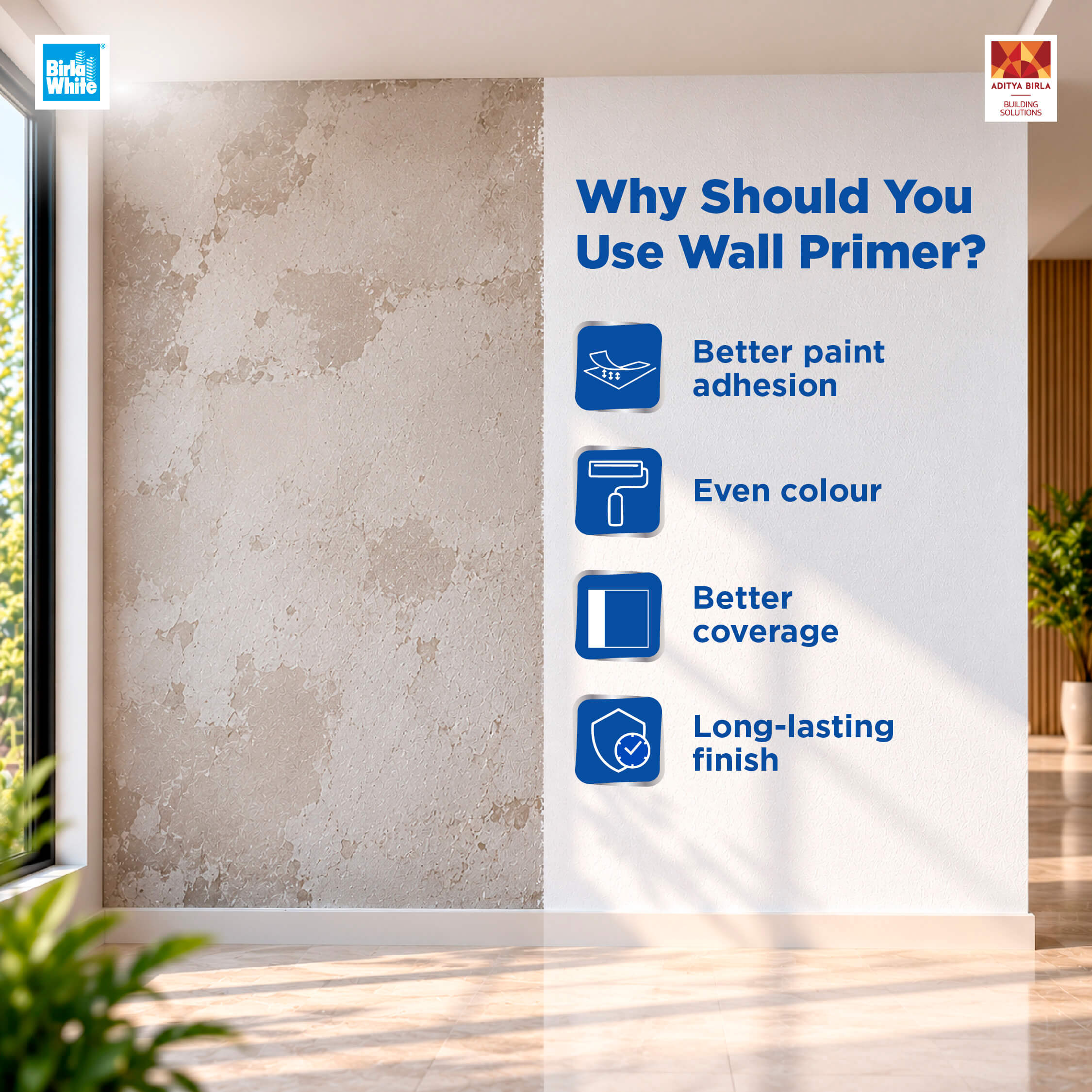
A primer is a preparatory coating applied to a surface before the topcoat. It prepares the surface, improves paint adhesion, helps cover discolouration, and enhances the quality of the final finish. Moreover, using the right primer can help reduce paint consumption and prevent common issues such as peeling and patchiness.
Depending on the type and condition of the surface, primer application may differ. Let’s take a closer look at new and repainted walls and understand the importance of primer for each.
Generally, newly plastered walls should not be painted immediately because they are highly porous and absorbent.
If not properly prepared, new walls may absorb paint unevenly, resulting in an inconsistent finish. Therefore, the wall surface should be completely cured and dry before painting. All loose dust and debris should also be removed, and a suitable wall primer should be applied according to the manufacturer’s recommendations.
When painting new interior walls, it is better to choose an appropriate water-based interior wall primer. Exterior walls require an exterior wall primer that is compatible with the selected paint system.
Unlike new walls, repainted walls do not necessarily require an additional primer coat before painting, provided the existing paint is in good condition and firmly adheres to the surface. Additionally, if the existing paint colour is similar to the new shade, you may be able to skip applying primer.
However, a separate primer application may be necessary if the wall surface requires repairs or has stains, exposed patches, or other imperfections.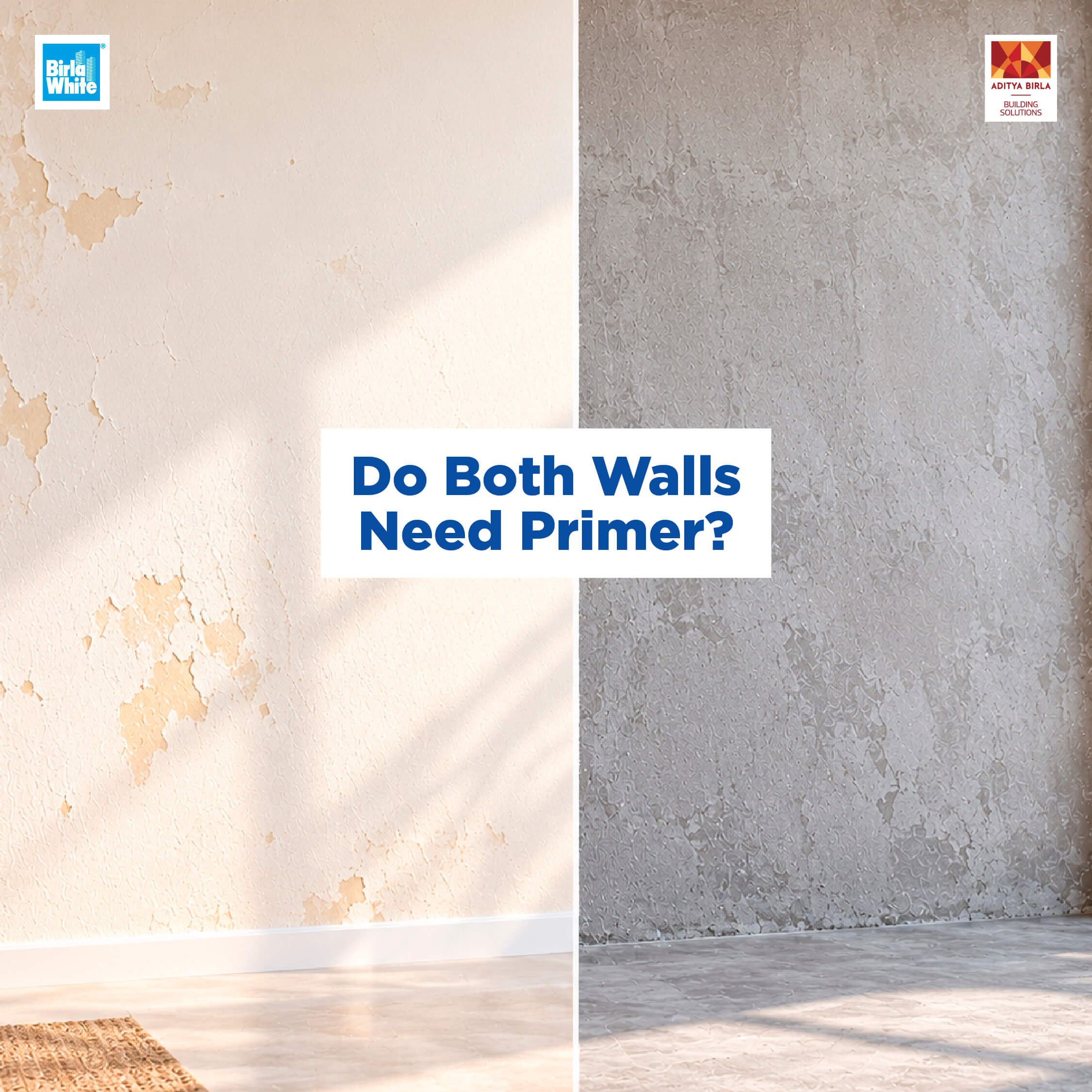
If the existing paint has peeled due to leaks, high humidity, or other reasons, the affected area should be sanded and treated to address the underlying problem. After that, apply a suitable primer to prepare the surface and ensure reliable adhesion of the topcoat.
The key is to prepare the wall properly and carry out repairs wherever necessary before repainting.
Do you need primer before painting? When repainting a surface, the need for a suitable primer depends on the wall condition, the nature of the problem, and the extent of repairs required.
However, when painting new walls, primer is generally necessary to prepare the surface, improve paint adhesion, and ensure even paint coverage.
Taking the time to prepare the walls properly and choosing a suitable wall primer paint can help you achieve an enhanced and long-lasting finish.
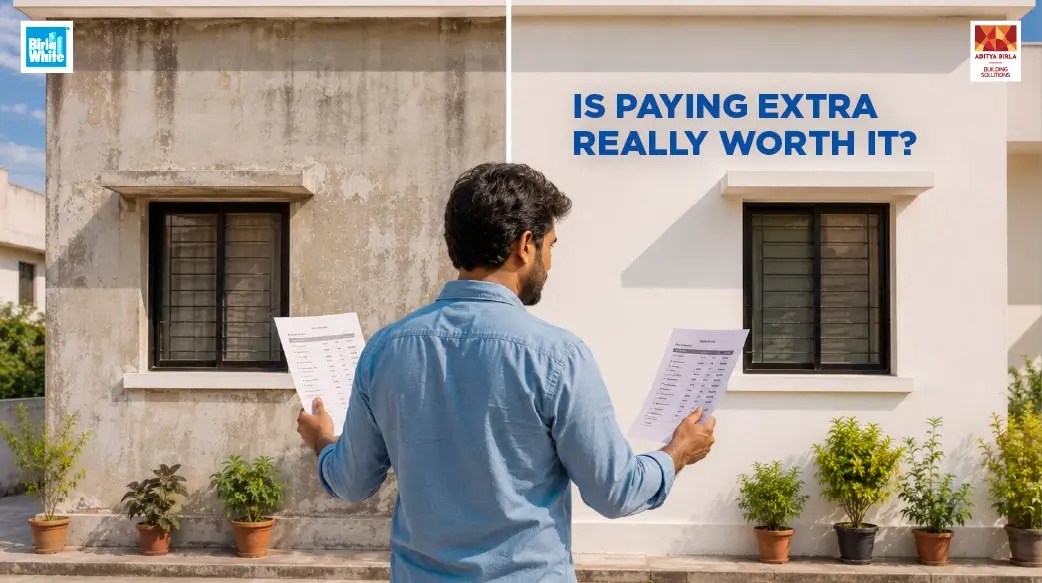
The cost of primer is small. The cost of repainting an entire wall isn't.
An acrylic water-based primer designed for interior walls. It improves paint adhesion, enhances coverage, and provides a smooth base for a superior finish.
A high-performance exterior primer that offers strong adhesion and helps protect exterior surfaces while ensuring better topcoat durability and uniformity.
For new walls, it is preferable to apply primer before painting. It helps seal the porous plaster or putty surface, improves paint adhesion, and provides a uniform base for the topcoat.
It depends on the condition of the repainted walls. If you are applying a similar-coloured paint over an existing coating that is in good condition, you may not need another primer coat. However, spot-prime problem areas, bare patches, repaired sections, and sanded areas. Apply primer to repaired spots after the putty has fully cured and been sanded.
New plaster or putty surfaces generally require priming before the topcoat application. For repainted walls, the need for primer depends on the existing paint condition, colour change, stains, and extent of surface repairs.
Skipping primer on a new wall may result in uneven paint absorption, patchy finishes, and increased paint consumption. It can also affect the adhesion and overall appearance of the topcoat.
Fill out this form to talk to our experts.
Our team typically replies in 24 hours.