Your home exterior must make an impression before you do. A simple wall may have its say, but the right texture can give it character and personality.
In 2026, home façades are moving beyond single-tone paint as homeowners explore new exterior wall texture designs that add dimension and depth to their properties. Explore these 10 modern exterior texture designs that can turn your home's exterior walls into an architectural feature.
Modern exterior wall textures are no longer just decorative finishes. They are an important part of creating depth, character and visual balance in a home's façade. The key is to select a texture, colour and finish that complement the architecture while considering the wall condition and outdoor exposure.
Give your walls a perfect look with Birla White texture designs. Here are 10 modern exterior wall texture designs that can trend in 2026.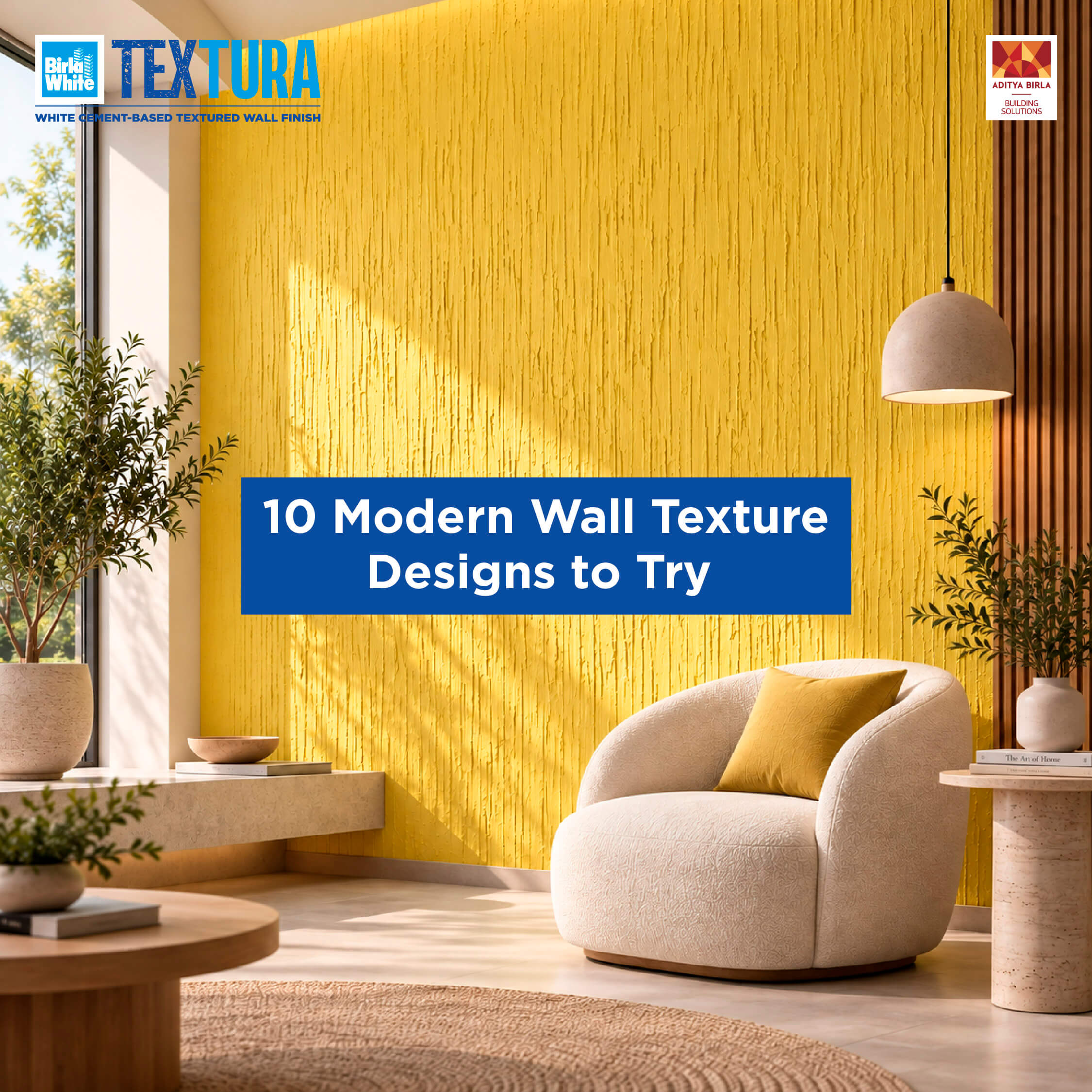
The Vertical Finish creates a neat, linear appearance with vertically aligned strokes. This design can make exterior surfaces look taller and more structured, making it suitable for contemporary façades and feature walls.
How it is created: Move the fibre trowel vertically from top to bottom to achieve the Vertical Textured Finish.
Best suited for: Modern façades, pillars and exterior feature walls.
The Cross Finish brings geometric character to the wall through intersecting diagonal strokes. Its distinctive pattern can add depth and visual interest to an otherwise plain surface.
How it is created: Move the fibre trowel diagonally from right to left and then diagonally from left to right to create the Cross Textured Finish.
Best suited for: Feature walls, entrance areas and contemporary exterior surfaces.
The Plus-Minus Finish combines vertical and horizontal strokes to form a structured, cross-patterned surface. It can give modern façades a bold architectural appearance.
How it is created: Move the fibre trowel vertically from top to bottom, then horizontally from left to right, to create the Plus-Minus Textured Finish.
Best suited for: Contemporary façades, boundary walls and accent sections.
Inspired by the movement of falling rain, the Rainfall Finish uses diagonal strokes to create a flowing visual effect. It is a suitable choice when you want an exterior texture that feels dynamic without being overly elaborate.
How it is created: Move the fibre trowel diagonally from top to bottom and from right to left to achieve the Rainfall Textured Finish.
Best suited for: Exterior feature walls, balconies and façade sections.
The Horizontal Finish creates clean, directional lines across the wall. This pattern can visually emphasise a façade's width and complement homes with modern horizontal architectural elements.
How it is created: Move the fibre trowel horizontally from right to left or left to right to create the Horizontal Textured Finish.
Best suited for: Wide exterior walls, boundary walls and contemporary elevations.
The Swirly Finish takes a more artistic approach, creating random circular and swirling patterns across the surface. It can give a wall a unique, handcrafted appearance and work as an eye-catching accent.
How it is created: Move the fibre trowel in random circular or swirling movements to achieve the Swirly Textured Finish.
Best suited for: Statement walls, accent areas and creative exterior spaces.
The six-sided honeycomb pattern is an attractive option for transforming walls into works of art. Using a sponge roller, you can create an interesting three-dimensional effect, especially when combined with light or off-white colours.
How it is created: A suitable sponge roller or texture tool is used to create a repeated honeycomb pattern across the prepared surface.
Best suited for: Accent walls, entrance areas, balconies and selected exterior sections.
For a bold and dramatic statement, consider the Alligator Finish. As the name suggests, it creates a pattern inspired by alligator skin and can add a strong visual character to a feature surface.
How it is created: A suitable texture tool or roller is used to create an irregular, patterned surface that resembles an alligator-skin effect.
Best suited for: Feature walls, contemporary lounges, hospitality spaces and selected exterior accents.
If you want to add a cheerful and playful element to a wall, consider the Seamless Circle Finish. Its rhythmic pattern of circles can bring energy and visual movement to the surface.
How it is created: A suitable roller or texture tool is used to create evenly spaced circular patterns across the wall.
Best suited for: Accent walls, creative spaces, studios, balconies and selected façade sections.
If you want the appearance of wood without the maintenance associated with real wood, the Wood Grain Finish can be a suitable option. It creates a warm and natural look while adding texture and depth to the wall.
How it is created: A wood-grain texture tool or roller is moved across the surface to create patterns that resemble natural wood grain.
Best suited for: Entrance areas, exterior feature walls, dining spaces, studies and warm contemporary façades.
The right texture should complement your home's architecture, colour palette and surrounding environment. Consider the following factors before making your selection:
Exterior texture does not have to cover every wall. Strategic application can help create balance and highlight specific architectural elements.
Apply a statement texture to the main façade to create a strong first impression and make the front elevation more visually distinctive.
Textured surfaces around the main entrance can highlight the front door, porch or entryway without overwhelming the home's overall design.
Vertical or linear textures can add height and structure to exterior pillars and columns.
A suitable texture can add depth to balcony walls and help coordinate the balcony with the façade, railing and flooring.
A minimalistic exterior texture can help connect the boundary wall with the overall design of the home.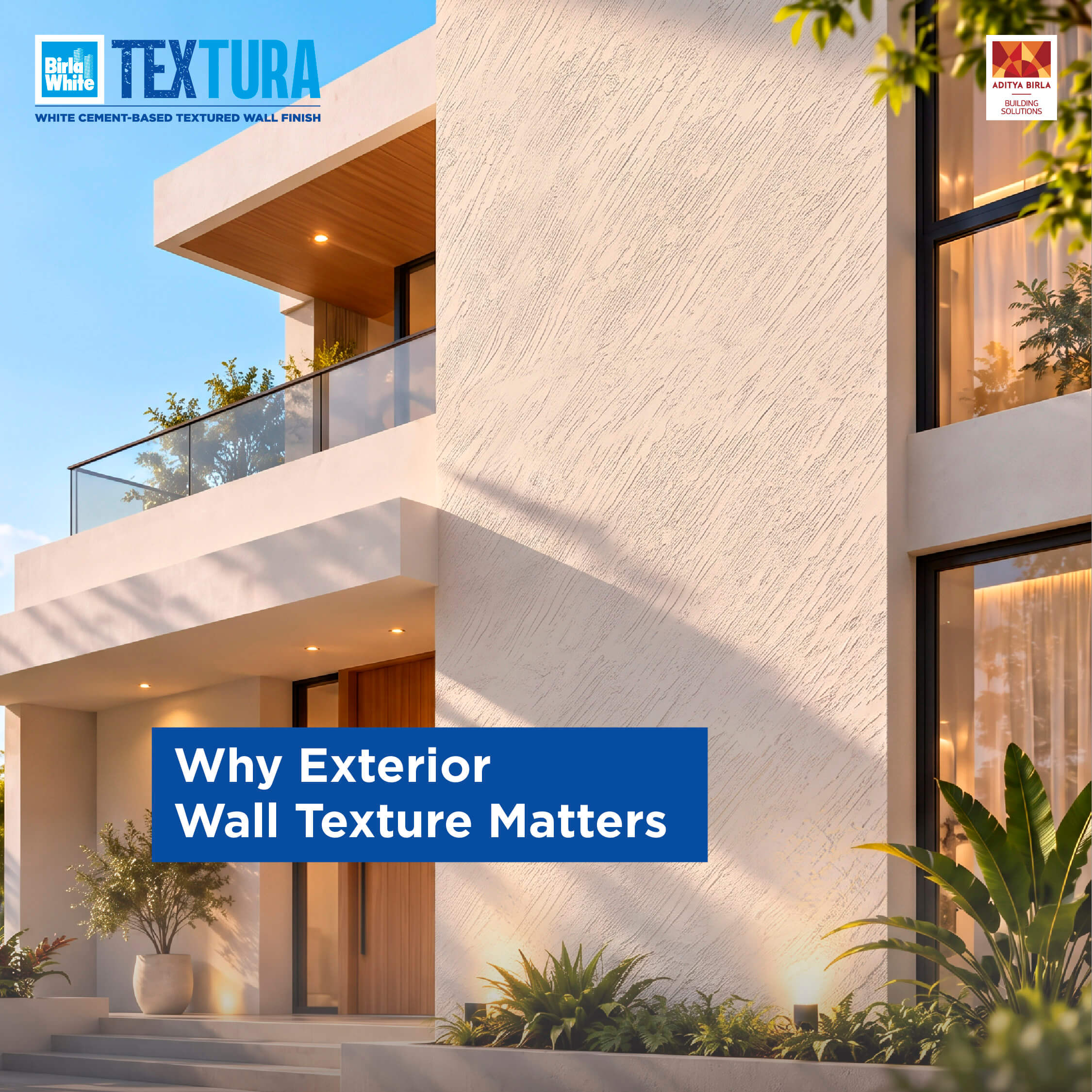
Proper surface preparation is essential for achieving a consistent and durable texture finish. Before applying texture:
Follow the correct wall putty application process to create a smooth and properly prepared base before applying the selected texture.
The right product can help you create distinctive texture finishes that add depth, character and visual interest to exterior surfaces.
Explore Birla White Textura for modern wall texture finishes designed to help transform ordinary walls into eye-catching architectural features.
Whether you prefer a clean Vertical Finish, a structured Cross Finish, a flowing Rainfall Finish or a natural Wood Grain Finish, select a product and application method that match your wall's location and environmental exposure.
Textura Roller Finish provides an opportunity to create an even and seamless textured surface with distinctive patterns. The roller imprints the surface to create an intriguing look and feel.
You can select a roller finish to create a remarkable feature wall or design your façade with a more consistent and coordinated appearance.
The right texture can transform a wall into a stunning and memorable architectural feature. Interesting variations, subtle patterns and unique accents offer many ways to make a wall texture design distinctive.
The trends in 2026 point towards a wide range of solutions that combine architectural minimalism, practical performance and visual appeal.
The perfect exterior texture can turn an everyday building into a true masterpiece. A great exterior does not simply use texture; it uses textura with intention.
Before beginning your project, explore these modern wall texture design ideas and choose a finish that complements your home's architecture.
Popular designs include Vertical, Cross, Plus-Minus, Rainfall, Horizontal, Swirly, Honeycomb, Alligator, Seamless Circle and Wood Grain finishes.
Vertical, Cross, Plus-Minus, Horizontal and Rainfall finishes can complement modern façades. The right choice depends on the home's architectural style, wall size, colour scheme and desired visual effect.
Yes, a suitable exterior wall texture product can be applied to properly prepared exterior walls. Always choose a product recommended for outdoor use and follow the manufacturer's application instructions.
Texture may help reduce the visibility of minor surface irregularities, but major cracks, loose plaster, dampness and structural defects should be repaired before the texture is applied.
A fibre trowel can be used to create Vertical, Cross, Plus-Minus, Rainfall, Horizontal and Swirly finishes. Rollers and other texture tools may be used for patterns such as Honeycomb, Seamless Circle and Wood Grain finishes.
Maintenance depends on the product and texture design. Keep the surface clean, inspect it periodically for cracks or moisture-related problems and follow the manufacturer's recommendations for repairs and repainting.
A Wood Grain Finish can be used on suitable exterior accent areas when the selected product is recommended for outdoor application. It can create a warm, natural appearance without the maintenance associated with real wood.
Fill out this form to talk to our experts.
Our team typically replies in 24 hours.