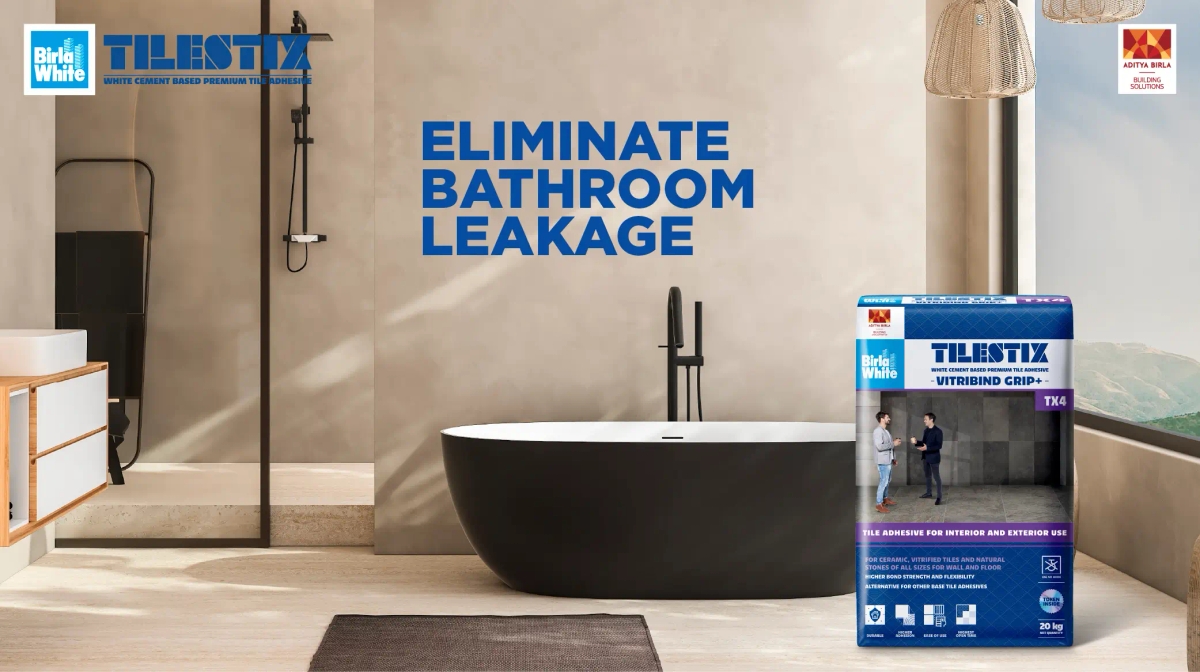
Tiling spaces like a bathroom or kitchen can completely transform their look and feel. However, when it comes to high-wet zones like these, the type of adhesives for tiles you choose is the most important decision you will make. Using tile adhesive is not only about getting the tiles to stick but also about making sure they stay intact for years to come.
If you go for any low-quality adhesives, you will be, in a way, inviting water seepage, costly repairs, and loose tiles. Therefore, in this blog, we will be discussing how Birla White TileStix Vitribind Grip+ Tile Adhesive gives the best results without comprising on the essentials. This guide will help you understand how you can get your wet area tiling right.
Bathrooms and kitchens are rooms that face constant challenges like splashes, steam, humidity, temperature changes, and regular cleaning. Over time, moisture can seep behind tiles if the adhesive used is not of top quality. This issue will lead to mold growth, mildew, and tile failure. Hence, it is recommended to use tiles adhesives specifically designed for such high-wet areas.
For wet areas, you need a high-performance, polymer-modified, white cement-based adhesive. It means the adhesive has special polymers mixed in with the cement to give it extra strength, flexibility, and water resistance.
The top go-to choice for any homeowner should be Birla White TileStix Vitribind Grip+. It is specifically formulated for internal applications like bathroom and kitchen walls and floors. Due to its white cement advantage, the product gets superior bond strength and also is water resistant. TileStix Vitribind Grip+ is pretty easy to use, as you just have to add water on-site to prepare the solution.
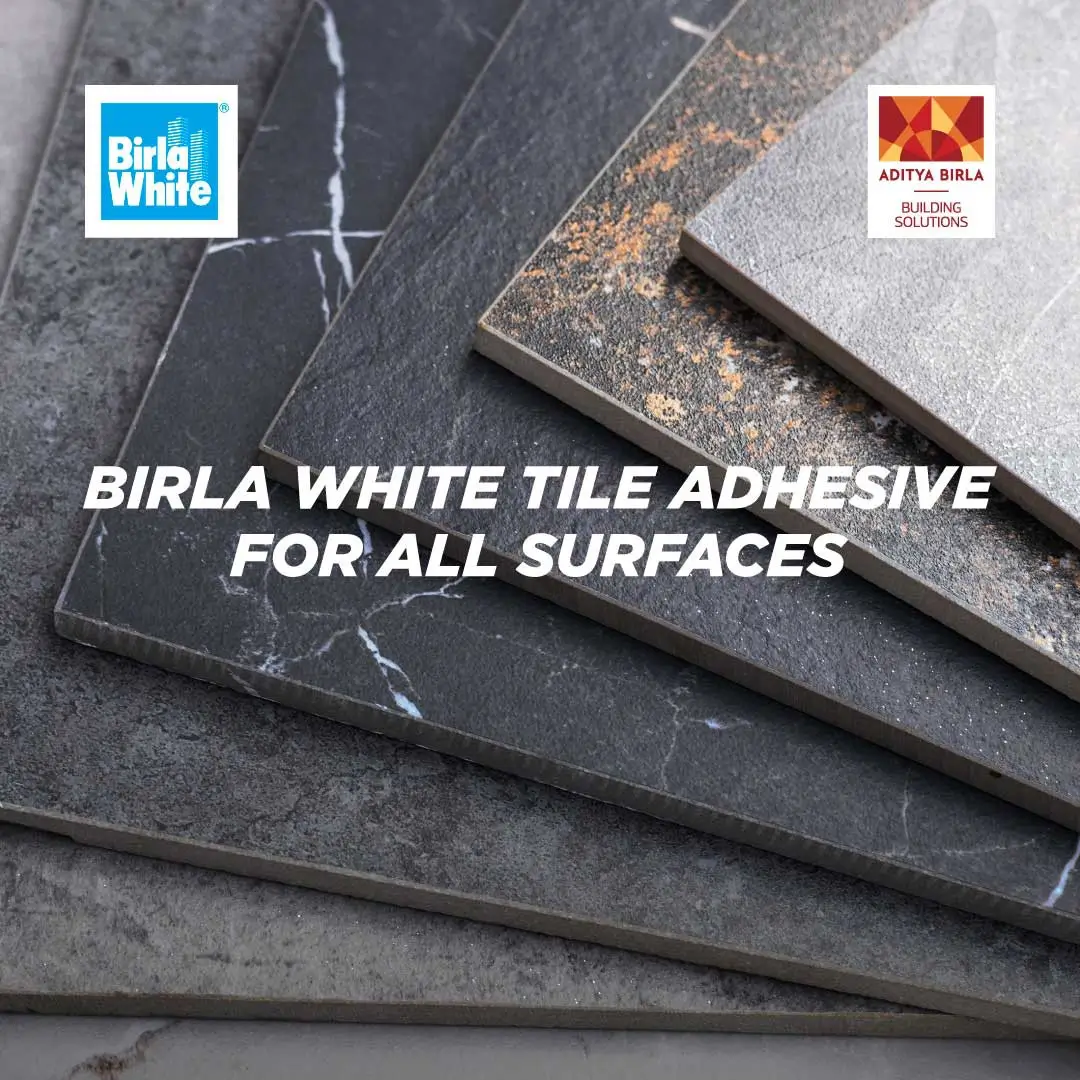
You need an adhesive that is versatile enough for the actual tiles you are using. Modern tiles adhesives like Birla White TileStix Vitribind Grip+ are designed to work with a wide range of materials. Whether you are using ceramic, vitrified, mosaic, or even natural stones, a quality adhesive should bond effectively.
Expert Tip: Regardless of the adhesive, always make sure your surface is clean and dry. Also ensure that it is free of dust, grease, or loose particles before you start.
The answer is yes, you absolutely can put tile adhesive directly on existing tiles. The only condition is that you must use the right product and prepare it properly. This technique is known as tile-on-tile installation.
For tile-on-tile projects, the adhesive needs an even stronger bond to adhere well to a non-porous surface. Birla White TileStix Vitribind Grip+ is specifically formulated for tile-on-tile applications on internal floors and walls.
The final crucial step, especially in wet areas, is applying quality tile and grout. Grout fills the spaces between your tiles, preventing moisture from seeping into the substrate. This offers a clean and finished look. Just like your high-quality TileStix adhesive, choose Birla White TileLynk grout that is water-resistant and suitable for wet environments.
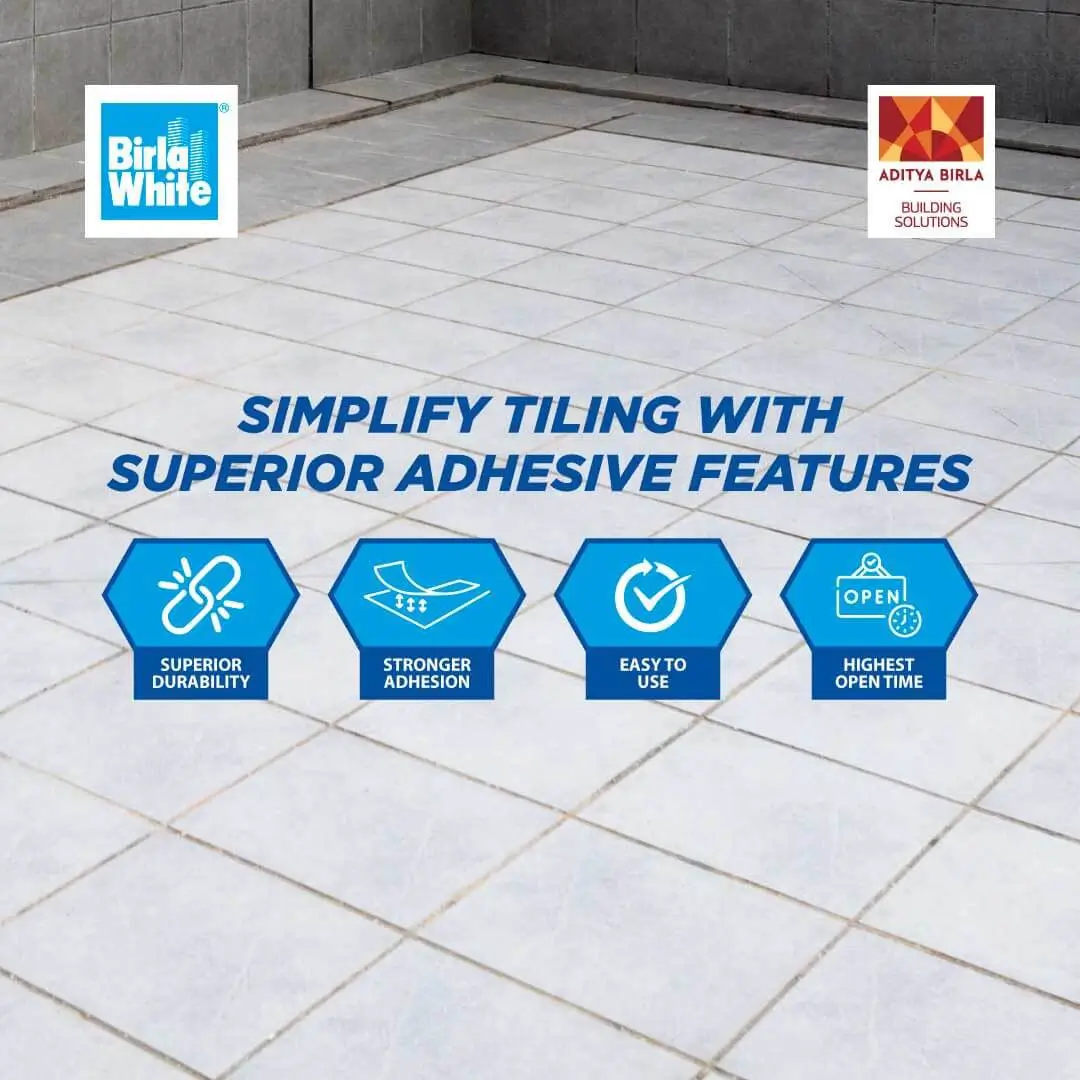
Key Features of Birla White TileStix Vitribind Grip+
1.Superior Durability
2.Stronger Adhesion
3.Easy to Use
4.Highest Open Time
Your Go-To Guide for Wet Area Tiling Success:
DOs:
•Always opt for a high-performance, polymer-modified, cement-based tiles adhesive when tiling any wet area. Products like Birla White TileStix Vitribind Grip+ are designed for this purpose.
•Prepare your surfaces meticulously. Ensure it is clean, dry, and free of loose particles.
•Consider a waterproofing membrane under your tiles in critical wet zones.
DON’Ts:
•Don’t use basic tile cement or mortar that is not specifically formulated for wet environments.
•Don’t rush the process. Allow the adhesive to cure fully before grouting, and allow the grout to cure before exposing it to heavy water use.
By choosing high-quality adhesives for tiles like Birla White TileStix Vitribind Grip+, you will ensure your wet area tiling project not only looks stunning but also stands the test of time.
Fill out this form to talk to our experts.
Our team typically replies in 24 hours.